

Content Ecosystems vs. Campaigns
Why the smartest outdoor brands build libraries, not one-off ads

Scroll through Instagram on any given day and you’ll see outdoor brands launching pretty rad new campaigns. Sometimes it’s a sick film, other times a creative photoshoot or a bold tagline splashed across every channel. For a week or two, it feels like they’re everywhere. Then the campaign ends, the budget gets reallocated, and the brand’s voice kind of vanishes until the next big drop.
That’s the “campaign mindset” and while it’s not inherently wrong, it’s not how the most effective outdoor brands are winning today. The leaders in our industry (think Finisterre, Tracksmith, Red Bull) aren’t treating content like fireworks. They’re building bonfires. Slow-burning, consistent ecosystems of storytelling that keep their communities warm all year long.
Let’s break down why that works, what it looks like in practice, and how you can start thinking less in campaigns and more in ecosystems.
Campaigns: Loud, Expensive, and Short-Lived
Campaigns exist for a reason. They create urgency and give brands an excuse to plant a flag and shout. They’re great for product launches, big cultural moments, or repositioning efforts.
But the problem is pretty simple: campaigns are finite. They live and die by the budget, the flight dates, and the ad spend. Once they’re over, they leave a void.
In today’s content landscape, where audiences expect ongoing value and daily relevance, campaigns are showing their cracks. You can’t disappear for six months and expect your audience to still be listening when you return.
Ecosystems: Stories That Never Stop
A content ecosystem is different. It’s an ongoing library of interconnected stories that build on each other. Instead of trying to capture attention in bursts, it cultivates attention over time.
The smartest brands use ecosystems to:
Build trust: By showing up consistently with value, not just promotions.
Lower CAC: Organic and evergreen content compounds, reducing dependency on ads.
Create culture: By telling stories that become rituals within their communities.
Think of it like a trail network instead of a single summit. A campaign is one hard climb, spectacular but fleeting. An ecosystem is a web of trails people return to again and again, finding new routes every time.
Case Study: Finisterre
Finisterre, the U.K.-based surf and outdoor brand, didn’t launch with a blockbuster campaign but has instead built a storytelling ecosystem anchored in sustainability and community. The brand began in Cornwall above a surf shop in 2003, rooted in the need for functional gear that honored the ocean and those who depended on it. Over time, they earned B Corp certification and iteratively grew into a model of transparency, you’ll find everything from ocean-safe packaging to traceable merino wool.
Rather than a one-off sustainability film, Finisterre created a content ecosystem: films, blog posts, podcasts, and initiatives such as the Bowmont Project - a decade-long effort to rescue and grow the rare Bowmont merino sheep in Britain. This story lives on Finisterre’s content hubs and channels, evolving from a niche project into a narrative thread woven through product design, community education, and environmental stewardship.
Content Insight: Finisterre demonstrates that true brand ecosystems grow from singular values told consistently over time - not flashy campaigns, but sustained, soulful storytelling designed to engage and uplift.
Case Study: Tracksmith
Tracksmith could’ve built its brand on seasonal product drops and hero ads. Instead, they invested in a full-blown storytelling ecosystem around running culture.
From their quarterly Meter magazine to films like Church of the Long Run, every piece reinforces the brand’s identity: reverence for the amateur runner. Tracksmith doesn’t just sell shorts, they sell a worldview. And because of their ecosystem, runners don’t just buy gear. They buy into a culture… Just not trail running culture. That bombed.
Case Study: Red Bull
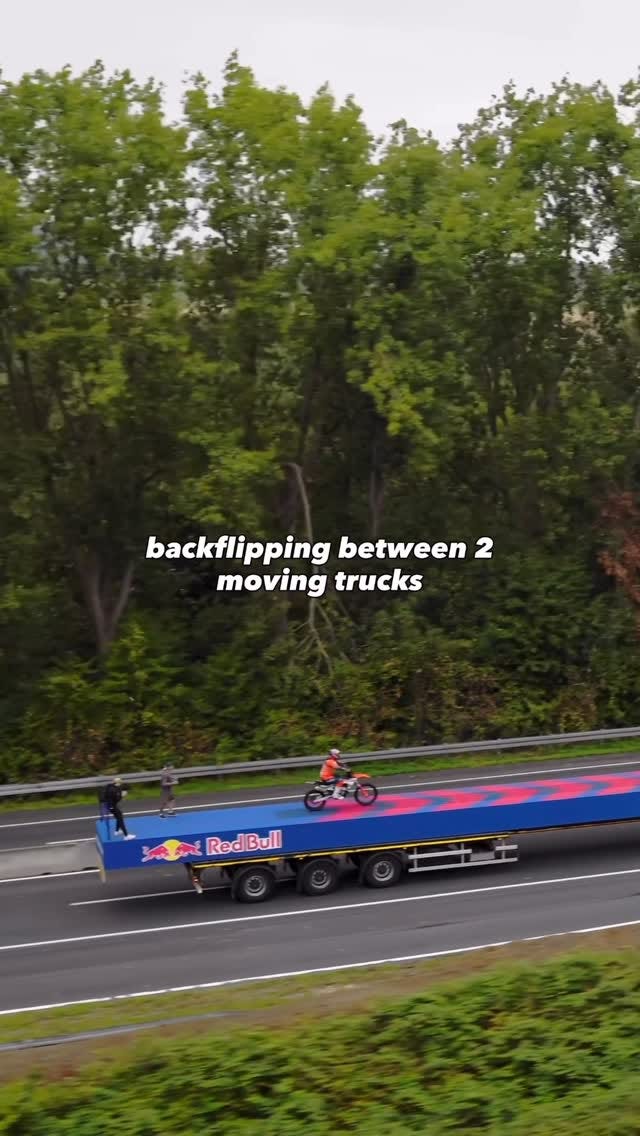
Red Bull is the gold standard. While they do run campaigns, their ecosystem is vast: Red Bull Media House, athlete partnerships, events, films, podcasts, even feature-length documentaries.
They don’t wait for product launches to tell stories. They tell them constantly! Their ecosystem ensures that at any moment, anywhere in the world, a piece of Red Bull content is keeping someone engaged.
How to Think Like an Ecosystem Builder
You don’t need Red Bull’s budget to build an ecosystem. You need a shift in mindset.
Here’s where to start:
Define your recurring themes
What are the 2–3 storylines your brand can own year-round? Training, sustainability, everyday adventure? Build everything around those pillars.Mix formats and cadences
Not every story has to be a film. A blog post, a Reel, a podcast clip - all can be part of the ecosystem if they reinforce your themes.Make evergreen your anchor
Campaigns are seasonal, but evergreen content is what gets discovered months or years later. Gear guides, educational YouTube videos, or timeless photo essays keep delivering value.Connect the dots
Your ecosystem should feel like a network, not a scatterplot. Each piece of content should link to another, like trail signs guiding someone deeper into your brand.
Final Thought: Build the Bonfire
Campaigns will always have a role. But in an outdoor industry flooded with one-off ads, ecosystems are what build staying power.
REI isn’t just telling you to go outside. They’re publishing the stories that show you how. Finisterre isn’t just making wetsuits, they’re inspiring people to go into the ocean. Tracksmith isn’t just selling running shorts. They’re preserving running culture. Red Bull isn’t just sponsoring events. They’re building the archive of adrenaline.
If you’re an outdoor brand or agency, the challenge is clear: stop thinking in terms of sprints and start thinking in terms of seasons. Don’t build campaigns. Build ecosystems.
Because the brands who win long-term aren’t the ones who shouted the loudest for a week. They’re the ones who created a fire you keep coming back to :)
👉 If your team is looking to move from campaigns to ecosystems, I’d love to help you design the kind of storytelling strategy that builds equity over years, not weeks.
If you don’t know me, I’m Roo Smith, an adventure filmmaker that’s created films (for the ecosystem and the campaigns) for some of the biggest brands in the outdoor industry - Patagonia, The North Face, La Sportiva, Mammut, etc. - and would LOVE to help other brands build out the stories they want to tell.
Check out my website to learn more about who I am and what I can help create for you…
https://roosmith.com